
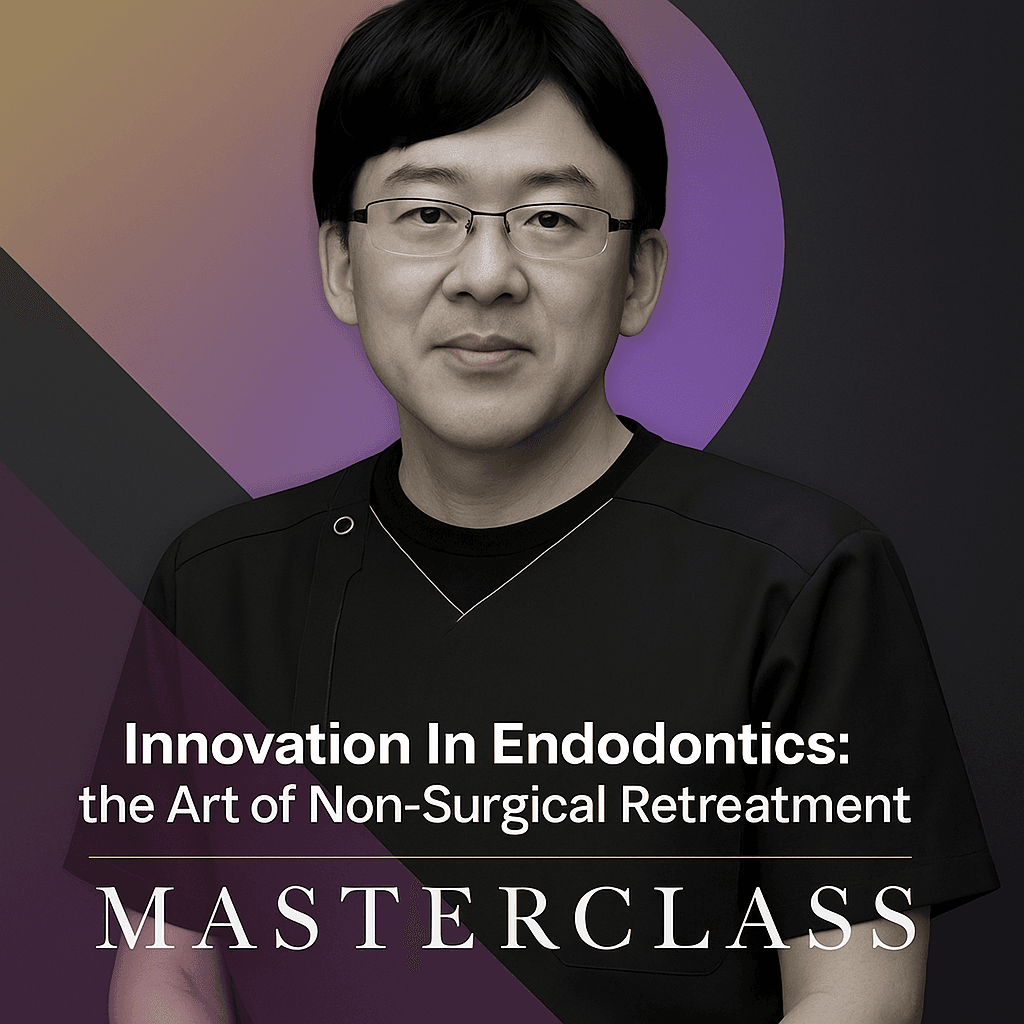
Innovations in Endodontics: The Art of Non-Surgical Retreatment
Instructor: Dr. Yoshi Terauchi
Format: 13h 47min On-Demand • Full HD • English • 17 Lectures
Master the latest protocols, instruments, and advanced diagnostic techniques in endodontic retreatment.
This program combines cutting-edge clinical science with live microscope demonstrations to help you
achieve predictable, minimally invasive results in even the most challenging cases.
What You Will Learn
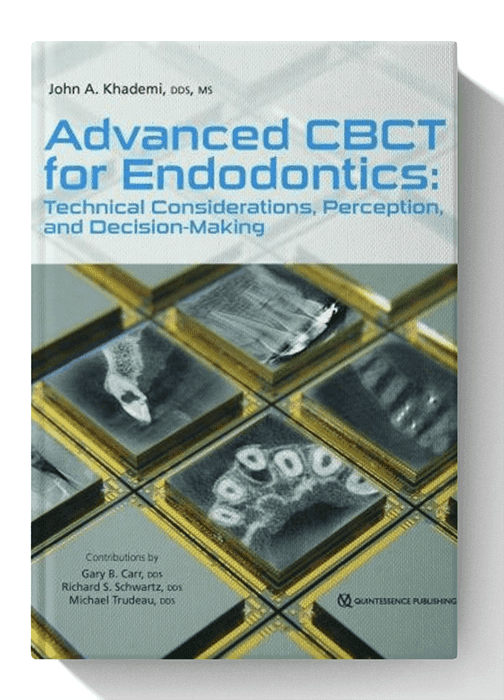
- ✅ Advanced diagnostic protocols, including CBCT imaging for precision planning
- ✅ MTA obturation strategies vs traditional gutta-percha for optimal long-term outcomes
- ✅ Proven techniques to bypass non-visible ledges safely and effectively
- ✅ Removal of gutta-percha and MTA filling materials with minimal dentin loss
- ✅ Step-by-step removal of fractured instruments, including files in severely curved canals
- ✅ Live demonstrations under the microscope showing practical, real-case applications
Course Highlights
- 13 hours 47 minutes of structured, expert-led content
- 17 lectures covering diagnostic methods, obturation, and retreatment workflows
- Unique LIVE DEMO sessions showing instrument removal, ledge bypassing, and MTA applications
- Exclusive access to Dr. Terauchi’s minimally invasive ultrasonic techniques
Lecture Breakdown
- Course Introduction – 7 min
- MTA-based protocols & strategies – 83 min
- Accurate diagnosis & planning – 88 min
- Gutta-percha removal – 28 min
- LIVE DEMO: Ledge bypassing – 26 min
- MTA obturation: biological alternative – 88 min
- LIVE DEMO: MTA application – 18 min
- Broken instrument removal techniques – 86 min
- LIVE DEMO: Ultrasonic removal in curved canals – 62 min
- Ten second rule for instrument removal – 40 min
- LIVE DEMO: Advanced ultrasonic strategies – 41 min
- Long broken file removal techniques – 8 min
- LIVE DEMO: Rotary burs & piezoflow – 48 min
Perfect for: Endodontists and general dentists aiming to elevate their retreatment skills and adopt
biologically sound, minimally invasive protocols that reduce failure and increase clinical predictability.























Reviews